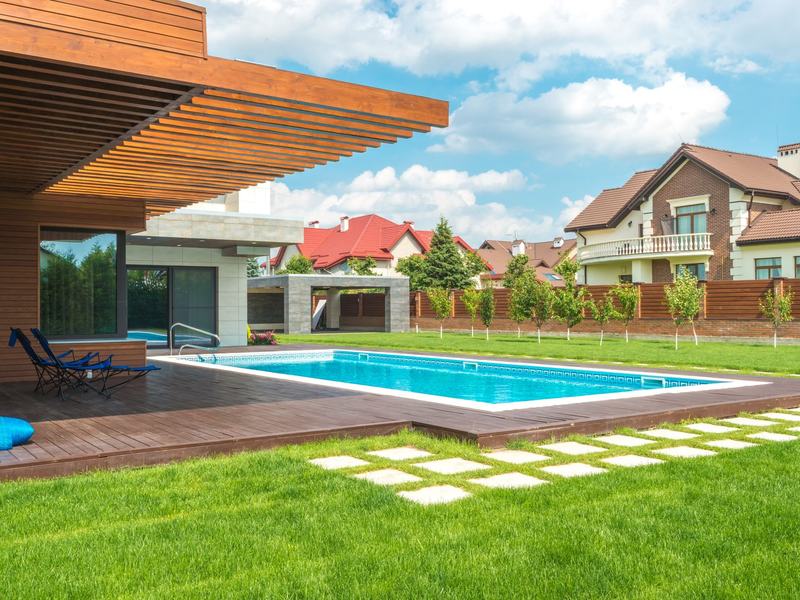
Fall is the best time to start a pool project in Sioux Falls. You get lower prices, better contractor availability, and the pool is ready by next summer. Spring works if you want to swim this year, but expect higher costs and a tighter schedule.
Fall, from September through November, is the best time to start a pool installation in Sioux Falls. Demand drops after summer, so contractors have open schedules and often lower their prices by 10 to 20 percent to keep crews busy. Material suppliers run end-of-season promotions, and you have more leverage to negotiate on extras like upgraded equipment or better decking.
A fiberglass pool started in late September or early October can be finished before Thanksgiving, even with our weather. Concrete pools take longer, but starting in fall means the shell and plumbing go in before the ground freezes, and the finish work happens in spring. Either way, the pool is ready to fill and enjoy by Memorial Day, right when the weather heats up. You avoid the spring rush when every homeowner wants their pool done yesterday and contractors are booked solid.
Sioux Falls sits in USDA hardiness zone 4b to 5a, with an average last spring frost around May 1 and first fall frost around October 6. That gives us about 150 to 160 frost-free days, though the swim season is shorter. Most pools stay comfortable from late May through late August, roughly 70 to 80 days of good swimming weather without a heater. If you add a heater, you can stretch that by another month or two on each end.
Ground freezing is the main limit on construction timing. Excavation equipment can work into November most years, but once the ground freezes solid, digging stops until spring thaw. Concrete curing also slows in cold weather, which is why concrete pools started in late fall often pause over winter and finish in March or April. Fiberglass pools do not have that issue since the shell arrives pre-made, so they install faster and work better for late-season projects.
Spring weather in Sioux Falls is unpredictable. We can get heavy rain in April and May, and the ground stays wet from snowmelt. Wet soil makes excavation messy and can delay the project by days or weeks if the site turns to mud. Late spring also brings severe weather. Sioux Falls averages several hail and wind events each May and June, with hail as large as ping pong balls or bigger recorded in recent years. A major storm can damage materials on site or delay deliveries, pushing your completion date.
If you want to swim this summer, you have to start in early spring, ideally March or early April. That gives you three to four months to get permits, complete the installation, and fill the pool before the heat arrives. Fiberglass pools have the best chance of finishing on time since they go in fast. Concrete pools started in April might not be swim-ready until July or August, depending on how the schedule goes.
Spring is the busiest season for pool contractors. Everyone wants their pool done by summer, so you compete for slots on the calendar. Prices are higher, often 10 to 15 percent above fall rates, and contractors have less flexibility to adjust timelines or accommodate changes. If your project hits a delay, whether from weather, inspection issues, or material shortages, it can push into mid-summer or later.
Permitting takes time too. The City of Sioux Falls usually processes building permits within one to two weeks for straightforward projects, but that assumes your site plan is correct and complete. Spring is the city's busy season as well, so plan for possible delays. Get your permit application in by February if you want to break ground in March.
Sioux Falls sits on heavy clay and glacial till that holds water and shifts with temperature swings. Clay soils are harder to work with than sand or loam. When wet, clay turns slippery and sticky, clogging equipment and making it tough to get a clean excavation. When dry, clay packs hard and resists digging. The best time to excavate is when the soil has moderate moisture, not soaked from rain or frozen solid.
Our freeze-thaw cycles also affect the ground. Frost can penetrate three to four feet deep in a typical winter, and that frost layer has to thaw before excavation can start. By late April, the frost is usually gone, but the ground stays wet from snowmelt and spring rains. That is why fall excavation often goes smoother. The soil has dried out over summer, equipment moves easier, and you do not fight mud.
If your property sits near the Big Sioux River or in a low-lying area, groundwater can complicate the dig. The Big Sioux River has flooded multiple times in recent decades, including major flooding in 2024, 2019, and earlier years. High water tables mean the excavation might fill with groundwater during the dig, requiring pumps and extra drainage work. A geotechnical report can identify these issues before you start, saving costly surprises mid-project.
Winter construction is possible for fiberglass pools in Sioux Falls, but it depends on the ground. If we have a mild winter with little snow and the ground does not freeze deep, a contractor can install a fiberglass shell in December or January. Concrete pools do not work in winter since the concrete will not cure properly in freezing temps. Even if you heat the water and cover the pour, cold weather slows curing and can weaken the finished shell.
Late winter and very early spring, from February through mid-March, sit in a gray zone. The ground may still be frozen, but contractors start booking schedules and ordering materials for spring projects. If you commit early, you lock in pricing before annual increases kick in and get first choice of start dates. Many contractors raise prices in January or February to match rising material costs, so a contract signed in December saves money even if work does not start until April.
Choose fall if you want the best price, the most contractor availability, and a relaxed timeline with the pool ready next summer. Choose spring if you need to swim this year and can accept higher costs and a tighter schedule. Avoid mid-summer starts unless you have no other option. By July, contractors are swamped, prices are peak, and you will not swim much before the weather cools in September.
No matter when you build, start planning early. Get quotes in winter, finalize your design and budget by early spring, and submit your permit application as soon as you have a signed contract. The contractors who plan ahead and communicate clearly are the ones who finish on time. Ask your contractor what season they recommend based on their current workload and your goals, and go from there.
Also in our network: Best Time to Install Artificial Turf in Sioux Falls: Seasonal Guide, Best Time of Year for Roofing in Sioux Falls, SD.
Send us a few details and a photo and we will get you a free quote.
Get my free quote SIOUX FALLS